Correction officers
Filled officer positions, —
—
— (—) since April 2021
New York State prisons · DOCCS monthly reports since January 2020

Since the HALT Solitary Confinement Act was signed on March 31, 2021, the number of DOCCS correction officers — —, from — to —, while the number of people in custody — —. Reported assaults — from — in 2021 to — in —.
Filled officer positions, —
—
— (—) since April 2021
Incarcerated population, —
—
— (—) since April 2021
Incarcerated population divided by correction officers
—
Up from — in April 2021 (—)
On staff and on incarcerated people, —
—
— vs 2021; peak — in —
“We know that reducing the use of solitary confinement will in turn reduce recidivism, and it will make correctional facilities and our communities safer.”
Each point is one month, January 2020 to the latest report. The assault line adds assaults on staff and on incarcerated people, plus harassment from 2026 on, which DOCCS counted as assault before then. The steepest drop in officers follows the February 2025 strike, after which DOCCS dismissed about 2,000 officers who did not return to work.
Assaults by incarcerated people on staff and on other incarcerated people, as counted in DOCCS fact sheets. Years before 2021 are shown for comparison. A bar marked * covers January to the most recent month. From 2026, DOCCS counts harassment (such as throwing bodily fluids) separately from assaults, so bars from 2026 on stack the two.
“Not only would this bill … save lives of people who are incarcerated, but it will do so without compromising anyone else’s safety.”
Monthly counts for 2020 to 2025 are worked out from each fact sheet's year-to-date totals, which land within a few incidents of DOCCS's own quarterly tables. 2026 months come straight from the latest sheet's monthly tables.
“Full implementation of HALT makes correctional facilities safer for everyone, including prison staff.”
Assaults on staff divided by year-end correction officers, and assaults on incarcerated people divided by year-end population. DOCCS reports assaults on staff as one number and doesn't separate officers from other employees. A full year of assaults is set against the people present at year's end, so these are approximate rates. A faded bar marked * is January to the most recent month only and is not comparable to full years. From 2026 these rates count assaults only, without harassment.
“… in every other jurisdiction where they have limited or eliminated the use of long-term solitary confinement — they have seen a decrease in violence in the facility, including violence committed against corrections officers.”
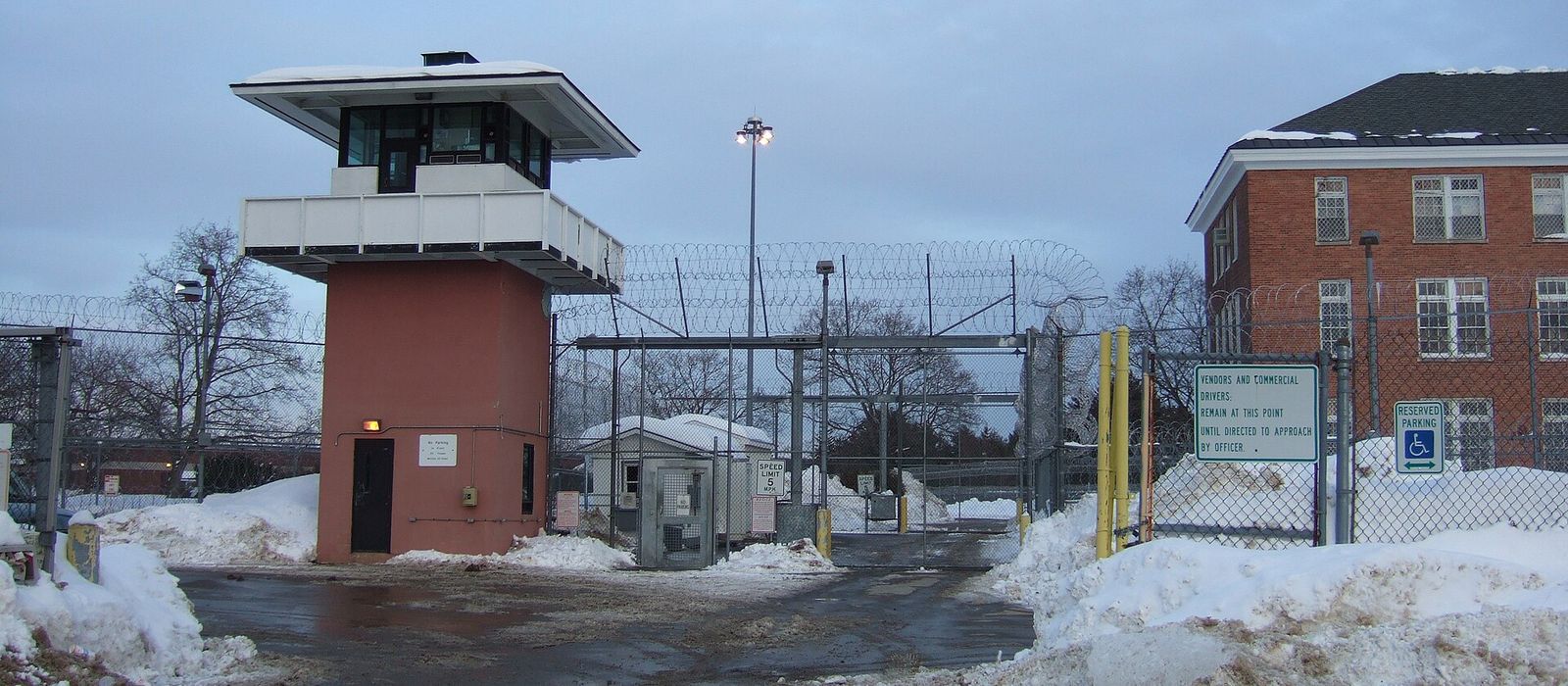
From — to —, the HALT incident lists record — incidents that ended in a confinement sanction. An assault on staff was the most serious charge in — of them. — had the most, with —.
Each month DOCCS publishes every disciplinary incident where an incarcerated person was found guilty and given segregated or Residential Rehabilitation Unit confinement. Each incident below is counted once, under its most serious charge, in this order: assault on staff, assault on an incarcerated person, fighting, weapon, threats, then everything else. These are a subset of all incidents: assaults with no confinement sanction, dismissed tickets and pending hearings are not on the lists.
Pick a period and what to rank by. Select a row to see that facility over time above.
| Facility | Share | All | Staff assault | I/I assault | Fighting | Weapon | Threats | Other | Avg days imposed |
|---|
I/I means incarcerated individual. "Avg days imposed" is the average original confinement sanction in days, before any appeal or HALT time limit. "Uncoded" rows have no facility in the source list.

On March 18, 2021, the State Senate debated HALT and passed it 42–21. Its sponsor said limiting solitary confinement would reduce violence. Its opponents said it would make prisons more dangerous. Here is what each side said, and what DOCCS’s own numbers show since.
The sponsor’s prediction
“… limiting the use of solitary confinement, and reducing it, is consistent with reductions in violence.”
“There is no evidence to support the claim that solitary confinement increases safety or that its absence would increase violence within prisons.”
The opponents’ prediction
“… it’s going to make the officers and the civilian staff less safe. It’s going to make the population less safe.”
“… it seems dangerous that we would handcuff, no pun intended, the men and women who are working within the confines of correctional facilities and taking discretion away from them.”
In the debate, Sen. Stec warned that assaults on officers had already jumped from 645 in 2013 to 1,050 in 2020. DOCCS now counts — assaults on staff in 2020. By — the number was —, up —.
Per year, —
—
— vs — in 2021
Per year, —
—
— vs — in 2021
Per year, —
—
— vs — in 2021
Quotes are from the official Senate transcript of the March 18, 2021 session. Numbers are DOCCS fact sheet counts of assaults by incarcerated people; see the Violence & staffing tab for definitions. Sen. Stec’s 1,050 figure came from an earlier DOCCS edition; later editions revised 2020 slightly. A bar marked * is January to the most recent month, and from 2026 harassment is stacked on top, since DOCCS counted it as assault before then.
Sen. Julia Salazar (D–Brooklyn and Queens) wrote and sponsored the HALT Solitary Confinement Act. Contact her office to thank her.
Send a message on nysenate.gov
The form asks you to create a free nysenate.gov account.
Contact details come from her official Senate page, nysenate.gov/senators/julia-salazar/contact, checked November 2026.